
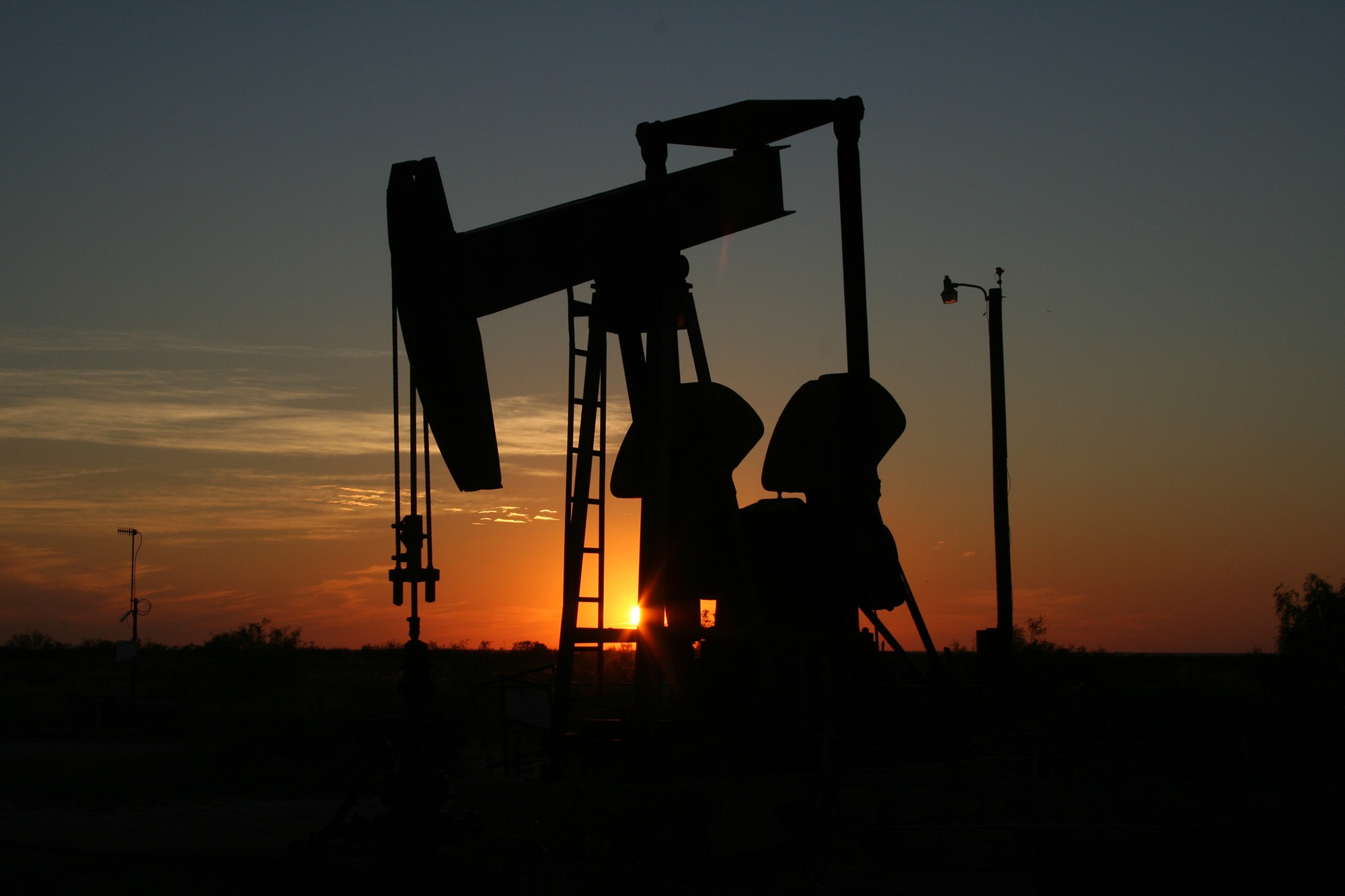
When Oilfield Equipment Should Be Rented Instead of Purchased - If a project is short term, still being evaluated, or likely to change after startup, renting oilfield equipment is often the more practical choice than purchasing. Renting gives operators flexibility, faster deployment, and a lower upfront commitment for temporary field operations.
In oilfield operations, the rent-versus-buy decision is often less about theory and more about timing, flexibility, and risk. If a project is short term, if production is still being proven, or if site conditions may change after startup, renting often makes more sense than purchasing. For many operators in Alberta, Saskatchewan, and across Western Canada, renting can reduce upfront commitment while keeping the site moving.
This is especially true for early production, temporary testing, cleanup work, pipeline-delay periods, and projects where the final long-term equipment needs are not fully known yet. In these situations, renting can help operators stay flexible while still getting the equipment they need on location.
Quick answer - when renting usually makes more sense
Rent when:
- the scope is temporary or short term
- the well is still being evaluated
- production volumes or fluid mix may change
- you need to avoid a large upfront capital purchase
- you may need to move, resize, or reconfigure the package
- you need equipment on site quickly
Buying may make more sense when:
- the project is clearly long term
- the site design is stable and well defined
- equipment utilisation will stay consistently high
- the operating profile is unlikely to change materially
- ownership economics have already been justified internally
1. Temporary scopes usually favour renting
If the equipment is needed for a limited window, renting is often the more practical decision. This applies to early production testing, temporary batteries, short-term production support, cleanup periods, and situations where permanent facilities are not yet in place.
Buying for a temporary scope can tie up capital in equipment that may sit idle later or may not be the right fit for the next job. Renting keeps the commitment aligned with the actual duration of the work. Once the scope ends, the equipment can be off-rented or moved without leaving surplus equipment sitting in the yard.
2. Renting makes sense when the well is still an unknown
One of the biggest reasons to rent instead of purchase is uncertainty. Early in a project, operators may not yet know exactly how the well will behave in sustained operation. Rates, pressure, fluids, gas handling requirements, and the eventual production setup can all change once the well is online.
That uncertainty matters. Buying too early can lock a project into equipment sizing or configurations that do not suit the site once real production data starts coming in. Renting gives operators room to learn first and commit later.
That flexibility can be especially important when temporary systems involve multiple coordinated pieces of equipment, such as separators, vapour-tight tanks, knockouts, and flare stacks. If one part of the setup needs to change, renting often makes that adjustment easier.
3. Renting can reduce upfront CAPEX pressure
For many projects, the most immediate advantage of renting is avoiding a large capital purchase at the start. Purchasing surface production equipment can consume budget that may be better directed toward drilling, completions, field operations, or other higher-priority work.
Renting can help preserve cash flow while still allowing the project to move ahead. That is often valuable when commodity markets are uncertain, when multiple projects are competing for capital, or when a company wants to keep financial flexibility until a project proves itself.
In practical terms, renting can turn a major upfront equipment decision into a more manageable operating cost while the project is still being assessed.
4. Renting can help projects move faster
When a site needs to be online quickly, rental equipment can help avoid delays tied to procurement, fabrication lead times, and overcommitting too early. For temporary production scopes, speed matters.
OSY Rentals focuses specifically on oilfield rental equipment in Western Canada and can provide coordinated temporary equipment packages for field use. For example, a complete vapour-tight single well battery package can typically be set up in roughly four to five hours once the equipment is on site. That kind of speed can matter when operators need a temporary production solution without waiting to finalise a long-term purchase plan.
Oilfield rentals in Alberta and Saskatchewan
If your project is in Alberta or Saskatchewan, learn how OSY Rentals is one of the best for Oilfield Rental Equipment in Alberta & Saskatchewan.
5. Renting is useful when site conditions may change after startup
Not every well behaves exactly as expected. In some cases, once production starts, the operating picture changes quickly. A site may need a different separator size, a different tank strategy, or a different flare-related setup than originally expected.
That is where renting can offer a practical advantage. Instead of being stuck with purchased equipment that does not match the job, operators have more flexibility to adapt the package to actual field conditions. This can help avoid the cost and frustration of owning equipment that ends up being oversized, undersized, or simply not ideal for the application.
6. Renting often makes sense while waiting on permanent infrastructure
There are many situations where a project is productive, but the final permanent setup is not ready yet. The site may be waiting on a pipeline connection, facility timing, infrastructure build-out, or final design decisions. During that gap, temporary rental equipment can keep operations moving without forcing an early purchase that may not be needed long term.
In these cases, renting functions as a bridge. It helps the operator maintain operational flexibility while still supporting production in the interim.
7. When buying may make more sense
Renting is not always the right answer. Purchasing may be the better choice when the project has a long, stable life ahead of it, the equipment duty is well understood, and utilisation is expected to remain high over time. If the equipment will stay in one long-term role and the operator is confident in the final setup, ownership can be justified.
But that is exactly why this decision should be tied to the real project stage. Buying generally makes more sense once uncertainty has been reduced, the production profile is better understood, and the long-term plan is clear.
Rent vs buy - practical decision guide
Renting is usually the better fit when:
- you need equipment for early production or temporary testing
- project duration is uncertain
- production characteristics may still change
- capital needs to stay available for other priorities
- you may need to redeploy or adjust equipment quickly
- you want the option to reassess once the project proves itself
Buying is usually the better fit when:
- the duty is long term and predictable
- equipment sizing is already well established
- the site design is unlikely to change
- high long-term utilisation has been demonstrated
- the business case for ownership has been properly validated
8. How this applies to common oilfield rental equipment
Vapour-tight tanks
Renting vapour-tight tanks can make sense when production is temporary, when operators are managing early production periods, or when final site infrastructure is still in transition.
Separators
Renting separators is often a strong option when production rates and fluid handling requirements are still being proven or may change after startup.
Knockouts
Renting knockouts can help when temporary flare-related setups are needed and the exact duration or configuration of the work is not yet locked in.
Flare stacks
Renting flare stacks often makes sense for temporary production, testing, and interim site operations where permanent infrastructure is not yet in place.
9. A practical middle ground - rent first, decide later. OSY Rentals offers Rent-to-Own option also.
In many cases, the best answer is not to force a permanent purchase decision too early. A project can start with rental equipment, gather real operating data, and then reassess whether long-term ownership makes sense. If it does then ask OSY Rentals about the Rent-to-Own option.
That approach can be especially useful when a project starts as a short-term opportunity but may develop into a longer-term producing asset. Where appropriate, rent-to-own logic is a balanced solution that allows operators to avoid overcommitting before the economics are clearer.
Frequently asked questions
Is renting oilfield equipment cheaper than buying?
For short-term or uncertain scopes, renting is often the more cost-effective option because it avoids a large upfront capital purchase and reduces the risk of owning equipment that may not suit the project long term.
Should I rent or buy equipment for early production?
For early production, renting is often the better starting point because the well is still being evaluated and equipment needs may change once actual production data is available.
When does buying make more sense?
Buying usually makes more sense once the project is clearly long term, the production profile is stable, and the equipment duty has been properly defined.
What equipment is commonly rented for temporary production?
Common rental needs for temporary production include separators, vapour-tight tanks, knockouts, and flare stacks.
Talk to OSY Rentals about the right fit for your project
If your project is temporary, still being evaluated, or likely to change once production starts, renting may be the more practical path. OSY Rentals supports oilfield operations across Western Canada with rental equipment for temporary production, early production testing, and short-term site needs.
Whether you need a single piece of rental equipment or a coordinated temporary package, OSY can help you assess what makes sense for your timeline, your field conditions, and your project stage.
