
When a well is preparing for testing, flowback, or early production, equipment decisions often need to be made quickly.
Choosing the right temporary production equipment is not simply about ordering a tank or separator. The temporary setup needs to match the expected operating conditions, project timeline, available facilities, production objectives, and expected duration of the project.
Western Canadian drilling activity is expected to remain active through the second half of 2026. The Canadian Association of Energy Contractors forecasts 5,709 wells drilled across Western Canada in 2026, while S&P Global/Platts coverage reported that May 2026 drilling activity in the Western Canadian Sedimentary Basin reached 424 wells, the strongest May level in 12 years.
Higher activity means more wells moving from drilling into testing, flowback, and early production. It also means there may be less room for last-minute equipment decisions.
Before a well comes on, these seven planning questions can help operators determine what temporary production equipment may be required.
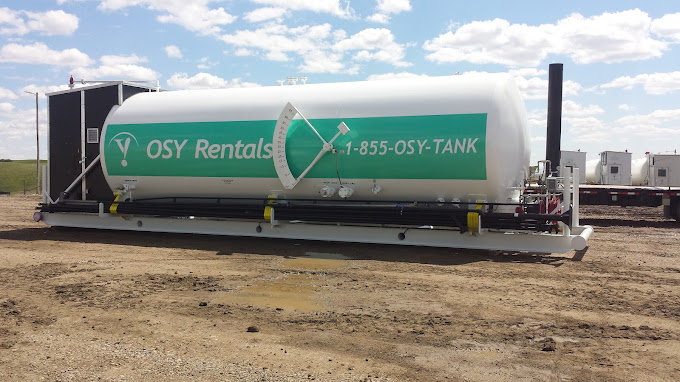
Temporary production equipment planning - quick read
In practical terms, confirm these items first:
- Purpose: Is the setup for testing, flowback, early production, or a longer temporary facility need?
- Equipment: Will the project require tanks, separation, knockouts, flare equipment, or a complete temporary production package?
- Conditions: What ranges of fluids, gas rates, pressure, water cut, and sour-service requirements should the package be prepared for?
- Site readiness: Can equipment be delivered, spotted, connected, and operated without avoidable field delays?
Where does temporary production equipment fit between completion and permanent facilities?
Every project follows its own path, but many wells require temporary production equipment somewhere between completion, testing, flowback, early production, and permanent facilities.
The simplified diagram below shows how a temporary production package may help move well fluids and gas through separation, tankage, knockout equipment, and flare equipment. Actual field layout depends on the well, site conditions, regulatory requirements, and the operator's approved plan.
Typical planning question
What equipment is needed to safely and practically support the well while production behaviour is being confirmed?
On smaller screens, swipe horizontally to view the full diagram.
What temporary production equipment is needed for testing, flowback, or early production?
Every well has its own production plan, facility constraints, and operating conditions.
Some wells may already have an approved tie-in or planned flow path to existing production facilities. Others may require temporary production equipment on location while the well is tested, flowed back, or evaluated during early production.
Depending on the project, operators may require vapour-tight tanks, separators, knockouts, flare stacks, flow lines, piping, or a complete temporary well battery or production package.
The goal is not to rent equipment for the sake of renting equipment. The goal is to select a temporary setup that supports the work being done in the field, fits the expected operating conditions, and helps the operator move from initial production data toward the next facility decision.
Before the well comes on, ask:
- What temporary production equipment is required for testing, flowback, or early production?
- Is there an approved flow path to existing facilities, or is temporary equipment needed on location?
- Are existing facilities ready and suitable for the expected rates, fluids, pressure, and gas handling needs?
- Will a complete temporary production package simplify field setup and coordination?
- What information is the temporary setup expected to help confirm?
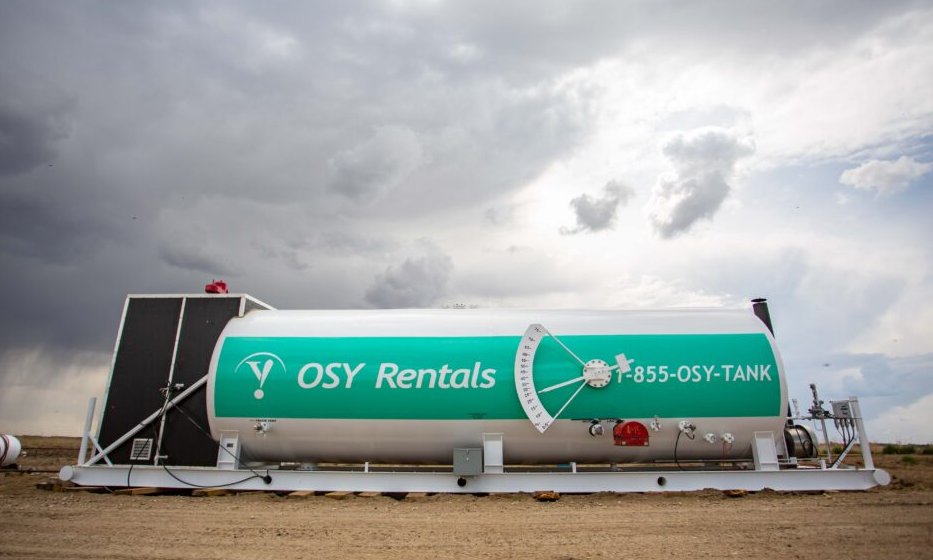
Is this a short well test, flowback job, or longer temporary production facility?
The expected duration affects almost every equipment decision.
There is a significant difference between a short well test, a flowback period, early production, and a temporary production facility operating for several months.
Longer projects often require additional planning for tank capacity, separation, trucking frequency, gas handling, equipment coordination, and future expansion.
Before equipment is ordered, ask:
- Will this project last days, weeks, or months?
- Are permanent facilities already under construction?
- Is pipeline connection still pending?
- Could temporary production continue longer than originally expected?
Planning for a realistic timeline often reduces unnecessary equipment changes later.
What rates, fluids, pressure, and gas conditions should the temporary package handle?
One of the biggest unknowns with a new well is how it will actually perform.
Production rates, gas volumes, water production, fluid characteristics, and pressures may all change as testing and early production continue.
Rather than planning for a single expected condition, it is often more practical to consider a reasonable operating range.
Changing production conditions may influence:
- Separator sizing
- Tank capacity
- Knockout requirements
- Flare capacity
- Trucking schedules
- Site layout
- Sour-service equipment needs
- Temporary piping
- Package flexibility
Temporary rental equipment gives operators flexibility while production behaviour becomes better understood.
Is temporary separation required, or can approved facilities handle the well?
Most producing wells require separation. The important question is where that separation will occur and whether the approved facility path is suitable for the expected operating conditions.
In some cases, a new well may be tied into existing or permanent facilities, such as an established battery, a central production facility, a multi-well pad facility, or another approved flow path with available capacity.
In other cases, permanent facilities may not be ready, capacity may be limited, or production may still need to be evaluated before a final facility decision is made. In those situations, temporary separation may become part of the production package.
Before the well comes on, ask:
- Can the approved facility path handle the expected production?
- Is enough separator capacity available?
- Is production data still being gathered before permanent facilities are finalized?
- How will liquids and gas move through the temporary production package?
- Will the separator setup fit with tankage, knockouts, flare equipment, trucking, and the broader operating plan?
A separator works best as part of a coordinated production package rather than as a standalone piece of equipment.
How will produced gas be handled?
Gas handling should be planned before temporary equipment reaches the lease.
During testing, flowback, or early production, operators need to understand the expected gas rate, pressure, composition, sour-service requirements, and whether gas will be conserved, tied in, flared, or managed through temporary equipment.
Depending on the project, the temporary setup may require knockouts, portable flare stacks, pilot systems, temporary flare piping, or sour-service equipment.
Gas handling planning may include:
- Expected gas rates and pressures
- Sour-service considerations
- Knockout requirements
- Flare stack configuration
Regulatory and field planning may include:
- Flaring and venting requirements
- Testing and reporting requirements
- Site layout
- Equipment spacing and access
Before mobilization, ask:
- What gas rates and pressures are expected during testing, flowback, or early production?
- Is sour service possible or confirmed?
- Is a knockout required before the flare stack?
- What flare stack configuration is suitable for the site?
- Are flaring, venting, testing, reporting, and operating requirements understood?
- How will the gas handling equipment fit with the separator, tanks, piping, and site layout?
Proper planning helps gas handling equipment fit into the broader temporary production package instead of becoming a last-minute field adjustment.
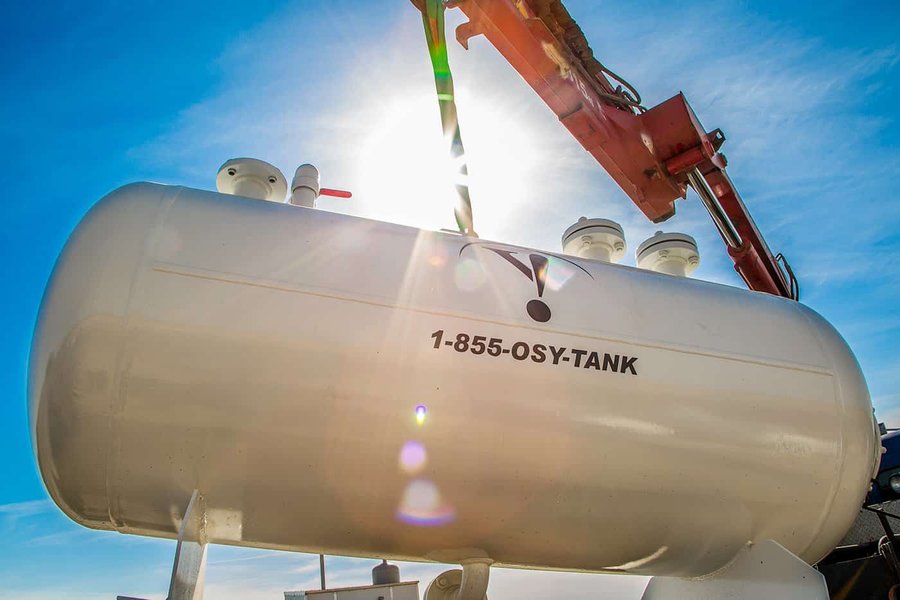
Is the lease ready for temporary equipment mobilization?
Equipment availability is only part of the equation.
Successful temporary production depends on how easily equipment can be delivered, positioned, connected, and commissioned.
Access
Lease access, road conditions, road restrictions, spring breakup, and winter access can affect how quickly temporary equipment reaches the location.
Layout
Multi-well pad activity, existing infrastructure, equipment spacing, and trucking access can influence where tanks, separators, knockouts, and flare stacks are placed.
Timing
Fast decisions are easier when mobilization details are understood before the well is ready to come on.
Many Western Canadian leases have workable access under normal conditions, but challenging weather, road restrictions, or site constraints can quickly affect deployment schedules.
Planning these details before equipment arrives helps avoid unnecessary delays.
Can the temporary production package adapt if well conditions change?
One advantage of temporary production equipment is flexibility.
Early production rarely follows a perfect forecast. If production rates increase, decline, or operating conditions change, operators may need to adjust the temporary package.
Package changes may involve:
- Additional tank capacity
- Different separation equipment
- Adjusted knockout capacity
- Different flare equipment
- Revised piping or layout
- Extended temporary production timelines
Planning for flexibility can help reduce unnecessary capital spending while permanent production facilities are still being evaluated.
Temporary production equipment planning checklist
Before a well comes on, operators can use this checklist to review the temporary production equipment plan.
The takeaway
Strong drilling activity across Western Canada means more wells progressing into testing, flowback, and early production.
The objective is not simply to rent equipment. It is to match temporary production equipment to the operational needs of the well while maintaining flexibility until permanent facilities are ready or an approved facility path is confirmed.
For some projects, existing infrastructure may already meet those needs. For others, temporary production equipment can bridge the gap while operators gather production data, complete facility construction, or wait for pipeline connections.
Whether you need a single separator or a complete temporary production package, OSY Rentals supplies field-ready vapour-tight tanks, separators, knockouts, and flare stacks throughout Alberta, Saskatchewan, and Western Canada. Our team can help plan equipment packages that fit your temporary production requirements.
Planning temporary production equipment for a Western Canadian well?
OSY Rentals can help operators plan field-ready rental equipment packages for testing, flowback, early production, and temporary production needs.
Related OSY Rentals equipment pages
Frequently asked questions
How long is temporary production equipment usually used?
Temporary production equipment may be used for a few days during testing, several weeks during flowback, or several months while operators evaluate production or wait for permanent facilities to become available.
When is a temporary separator required?
A temporary separator may be required when existing facilities are unavailable, have limited capacity, or when production data is still being gathered before permanent facilities are finalized.
Can temporary production equipment replace a permanent battery?
Temporary production equipment is generally intended to support testing, flowback, and early production. Permanent production facilities are typically designed once longer-term production requirements are understood.
Can temporary production packages be expanded?
In many cases, temporary production packages can be adjusted by adding or changing equipment as production conditions become clearer. Final equipment selection depends on the well, site, operating conditions, and available rental inventory.
What equipment is commonly part of a temporary production package?
A temporary production package may include vapour-tight tanks, separators, knockouts, flare stacks, piping, and related field equipment. The exact setup depends on the production phase, well conditions, gas handling needs, and facility plan.
Does OSY Rentals provide temporary single well battery packages?
Yes. OSY Rentals supplies complete vapour-tight tank packages that can support a temporary single well battery setup downstream of the wellhead. Depending on the project, the package may include tankage, separation, flare equipment, piping, metering, and related components.
Sources and further reading
These sources are provided for industry context and regulatory reading. Operators should confirm project-specific requirements with qualified personnel and the applicable regulator.
