Knockout Rental Oilfield – Flare Knockout in Alberta, Saskatchewan, Western Canada
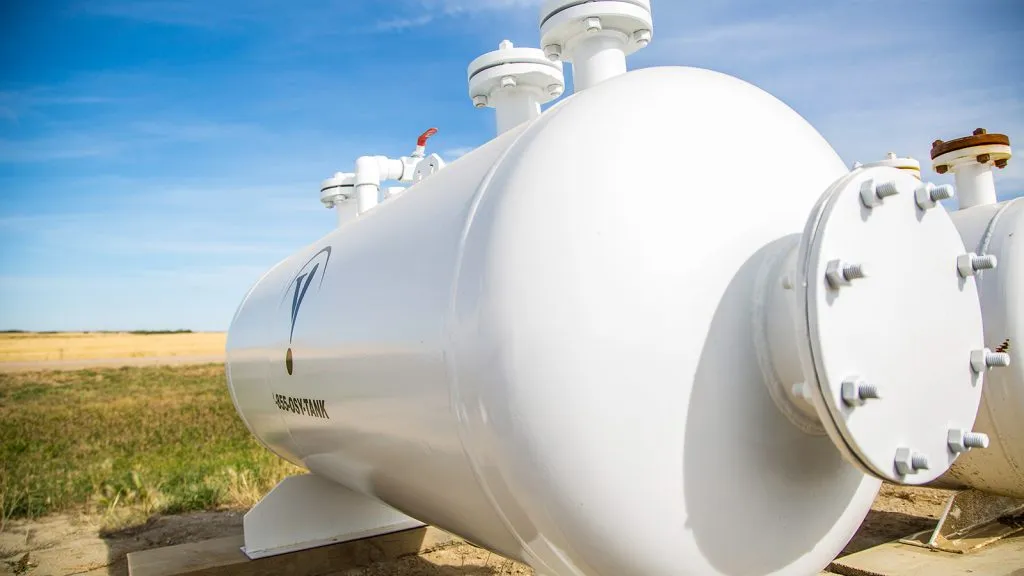
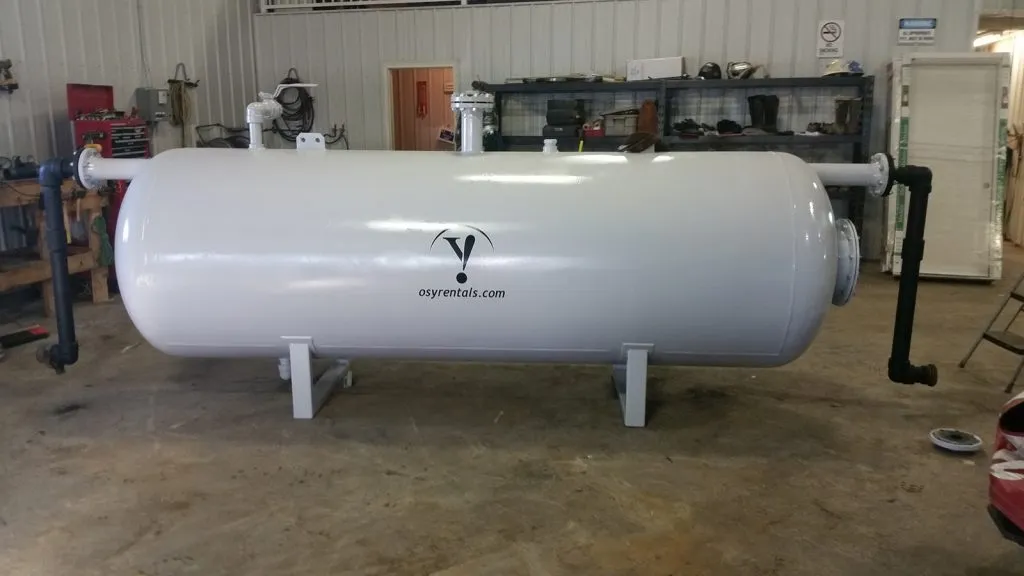
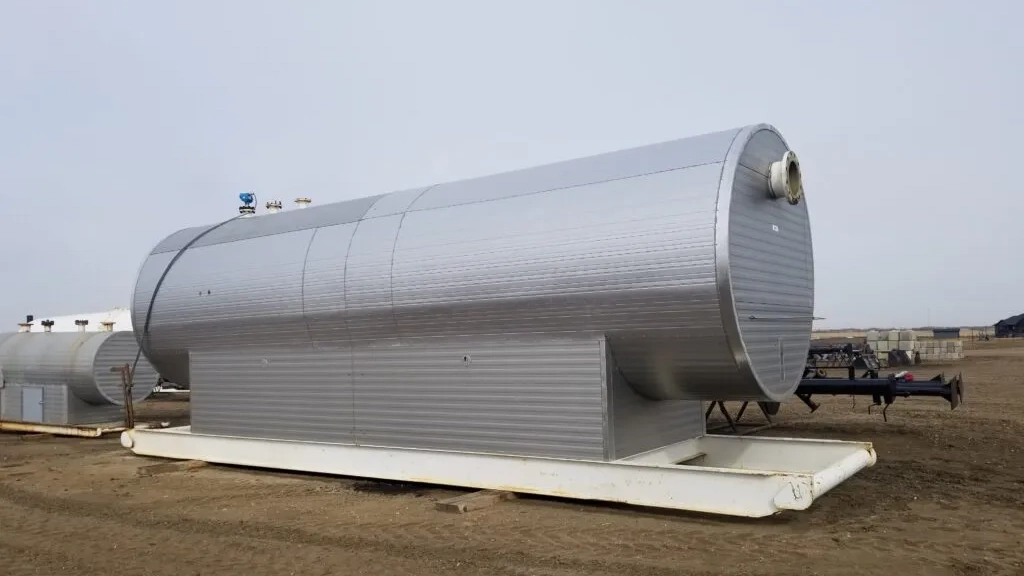
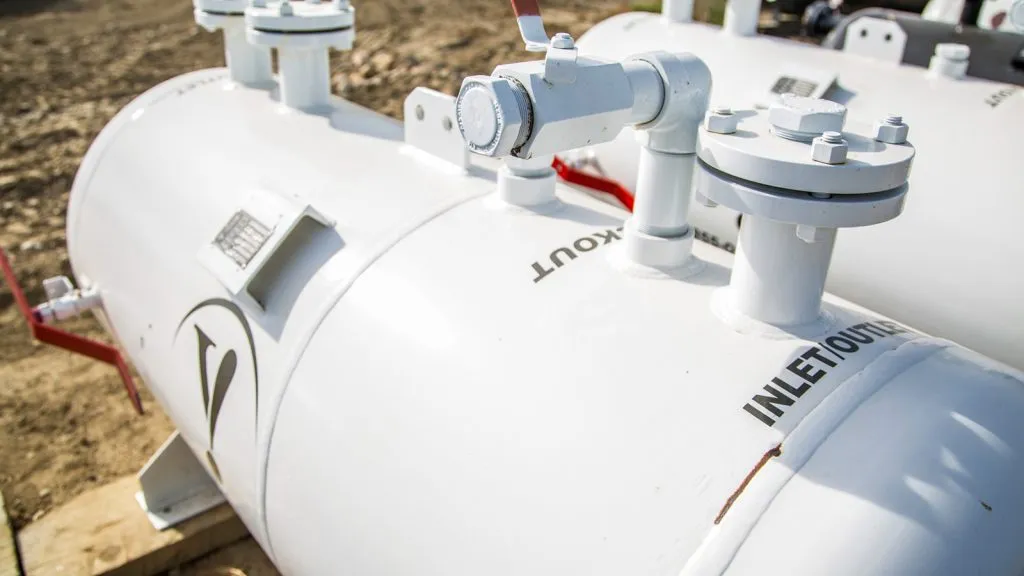
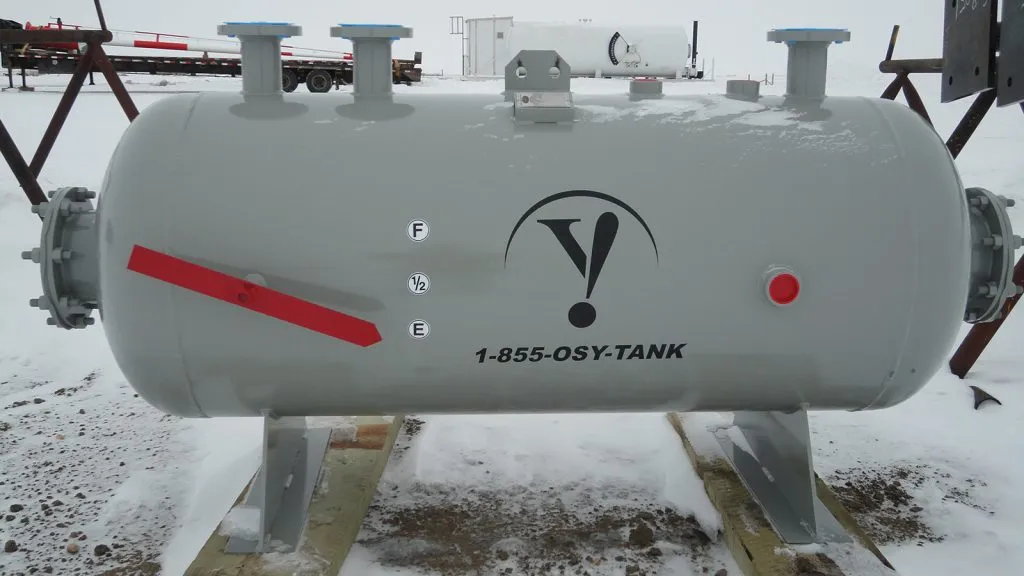
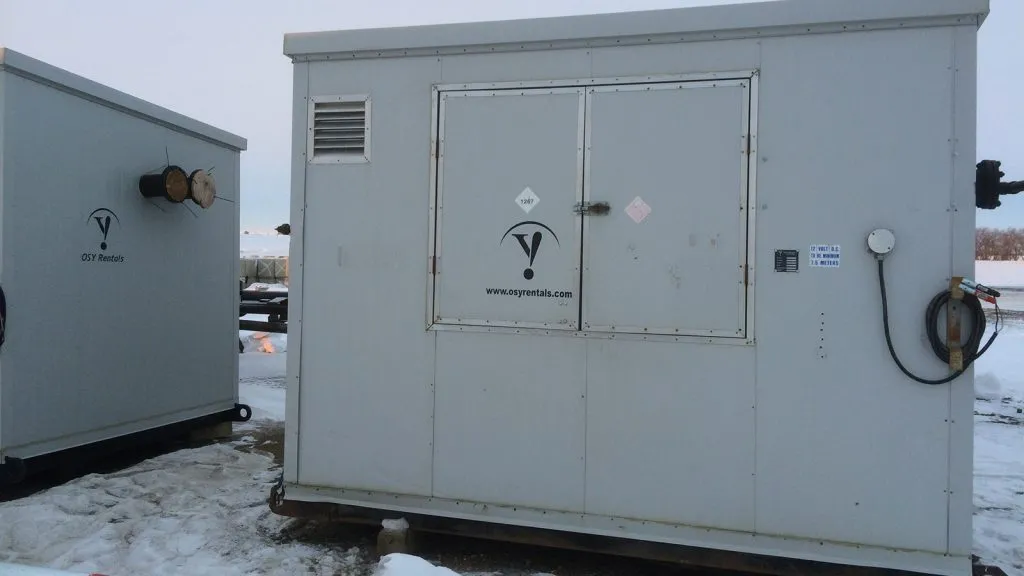
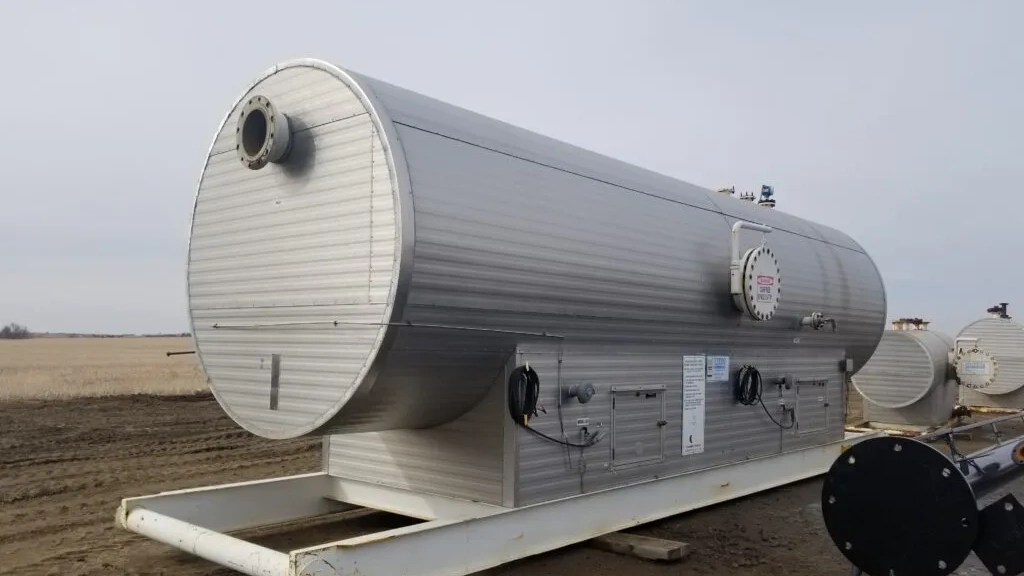
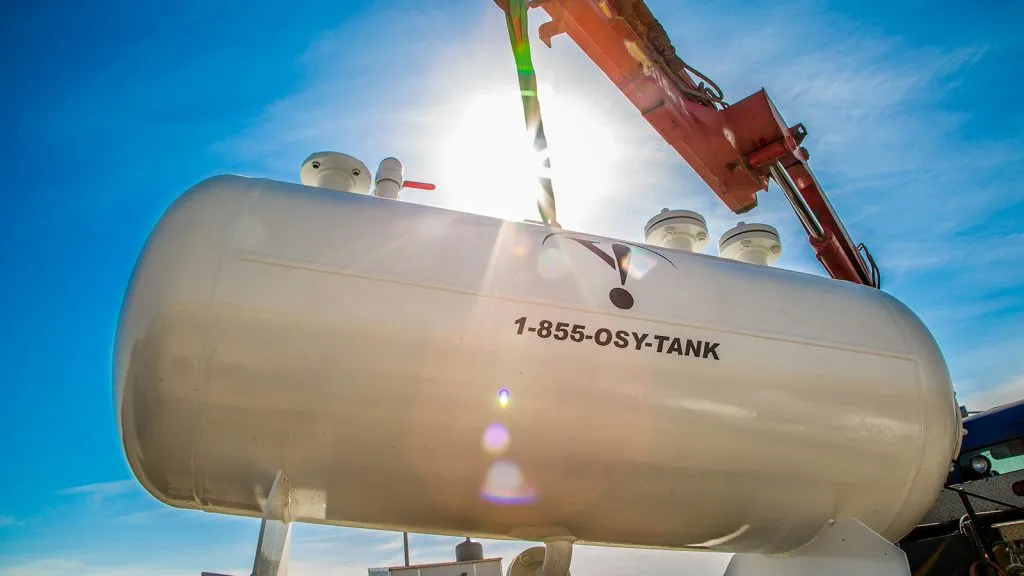
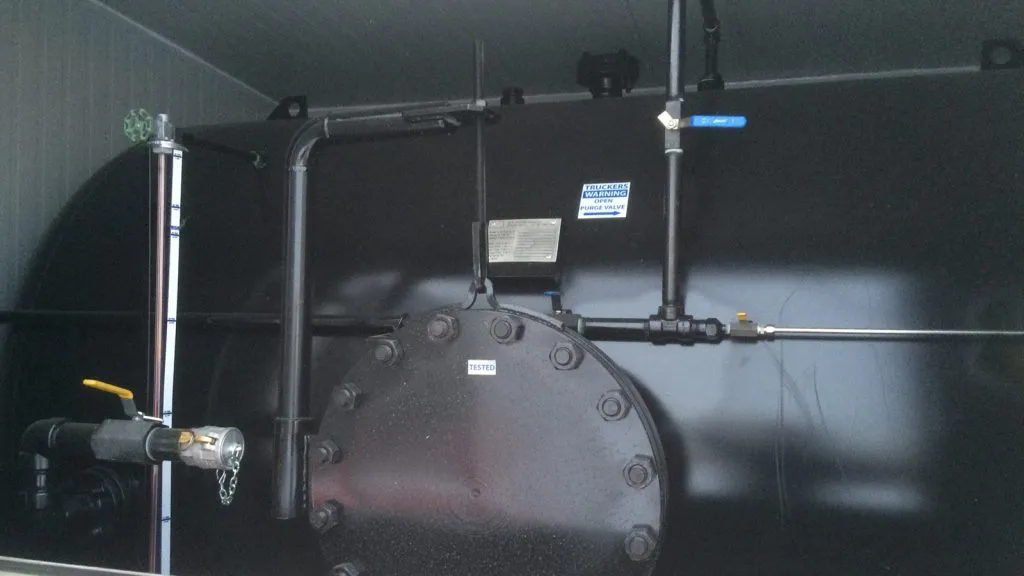
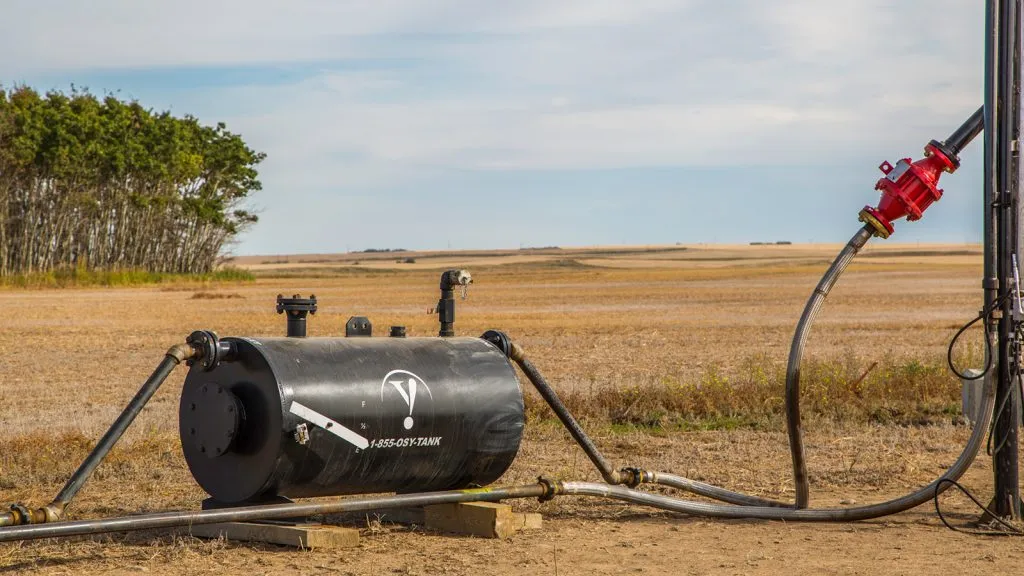
OSY Rentals has an extensive inventory of flare knockouts (from 5 to 50 bbl) to fit all of our client’s needs. The knockouts options include: skidded, enclosed, heated or self-contained with inlets 2” to 6”. For more information and our full list of knockouts and for the latest inventory list feel free to contact us.
OSY Rentals is your go-to source for reliable knockout rental services and installation in the oilfield. Contact us today to discuss your project requirements and discover how we can help you save time and reduce your capital expenses by renting knockout equipment.
Benefits of Knockout Rental Oilfield from OSY Rental – Flare Knockout Rental in Calgary, Alberta, Saskatchewan, and other places in Western Canada
- Cost Savings: Renting eliminates the need for a significant upfront investment. This is especially valuable for projects or facilities that only need flare knockouts for a short period.
- Maintenance-Free: OSY Rentals handles the regular maintenance, repairs, and compliance checks, ensuring that the flare knockout meets safety standards without burdening your team.
- Flexibility: Renting allows you to access equipment tailored to your specific project requirements, from duration, to size and capacity. This flexibility helps companies adapt quickly to changing project needs.
- Up-to-Date Technology: OSY Rentals frequently updates inventory, so you benefit from the latest technologies in gas and liquid separation, which can increase safety and efficiency.
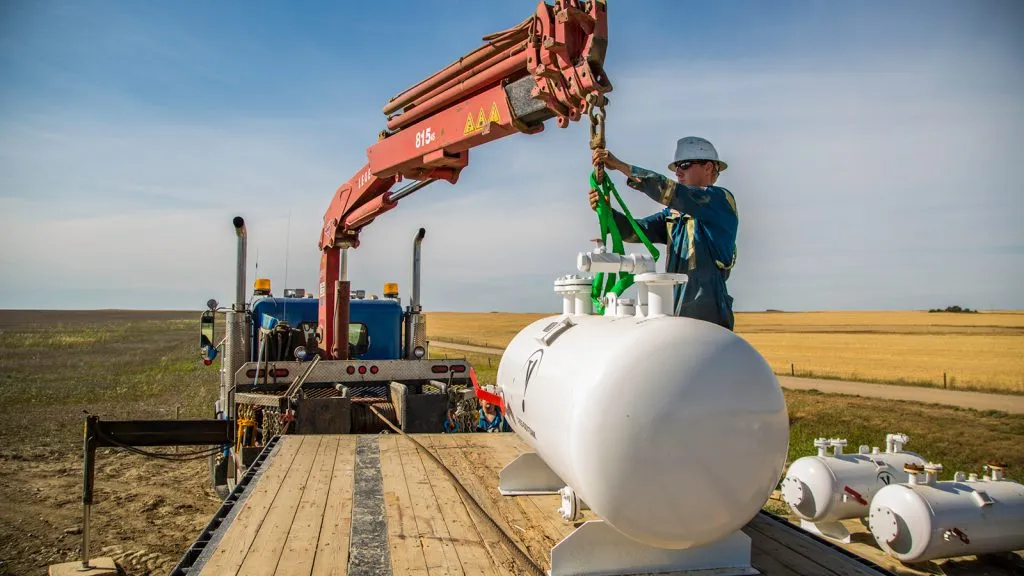
- Quick Access: Renting flare knockouts in Calgary, Alberta or anywhere in western Canada from OSY Rentals means you can have equipment delivered and set up promptly, minimizing your downtime.
Knockout Drum Rentals - Frequently Asked Questions
For fast sizing or a quote, see the last question or directly contact OSY Rentals.
A knock-out drum (flare KO) removes liquids and slugs from gas before the flare or combustor. This protects the stack and helps the flame burn cleanly.
In rentals across Alberta, Saskatchewan and BC, KOs are placed upstream of the flare to catch condensate, water, and entrained droplets that would otherwise cause smoke, flame instability, or damage. If an upstream VRU or scrubber is used, it should be tied in so released fluids route through a KO or are handled safely.
AER references: Directive 056 PDF - Directive 055 PDF
It slows the gas stream so liquids drop out and collect in the vessel while gas continues to the flare. Internals and proper sizing improve separation and surge capacity.
In operation, flow enters the KO, bulk liquids disengage by gravity, finer droplets coalesce, and a liquid seal and level control prevent carryover. For temporary rentals, OSY pairs KOs with separators to stabilize upstream flow and with flare stacks matched to the expected heat release.
Operating pressure depends on design and service. Many flare KOs are low-pressure vessels, but if a KO is a pressurized process vessel it must be properly rated and registered.
Under AER guidance, aboveground flare KOs that are part of an active process and designed for at least 103.4 kPa (15 psi) and registered with ABSA fall outside Directive 055 storage scope. Underground KOs need secondary containment and leak detection, typically with double-wall and interstitial monitoring. See the AER directive PDFs linked below for the specific cases.
See: Directive 055 PDF
Size for peak liquid load and required disengagement time so the flare sees gas, not slugs. For rentals, share min-average-peak flow, composition, temperature, pressure and event duration and we will size the KO and connections.
Engineering checks include surge volume for worst-case slugs, residence time for gravity separation, allowable superficial gas velocity, inlet device selection, liquid seal height, and drain handling. Where the KO also serves emergency relief (e.g., acting as a pop tank), it must be sized to hold all liquid that could be released until the source is isolated and meet applicable flare-venting directives.
Reference: Directive 056 PDF
Aboveground flare KOs that are part of an active process generally do not require secondary containment under Directive 055. Underground KOs do - they require secondary containment or double-wall with monitored interstitial space.
If a KO is used as a storage tank, then storage rules can apply. For underground single-wall systems installed prior to 1996, integrity testing is required at least every three years. For rentals, we typically supply aboveground KOs with appropriate drains and containment practices.
See: Directive 055 PDF
Yes - a KO can serve as a pop tank if it does not impede relief and is adequately sized. It must safely manage pressure and flow and still meet flaring-venting requirements.
When used this way, the KO must hold the liquid released from activation until the vessel is isolated, and controls and instrumentation must meet the directives. This does not prevent the KO from serving its normal separation duty during regular operations.
Reference: Directive 056 PDF
Place the KO upstream of the flare, on level ground with safe access for draining, and ensure lines are secure and well supported. Maintain safe separation from heat and traffic and route drains to approved containment.
For Western Canada rentals, OSY supplies hose-manifolds, knockouts and flare stacks sized as a package. We can advise on spacing and orientation based on your site diagram and expected rates.
Share min-average-peak gas flow, expected liquid fraction or slug volume, gas composition including H2S, operating temperature and pressure, and event duration. Send a plot plan or rough sketch of tie-in points and nearby receptors.
If odour, visibility or noise are concerns, tell us so we can pair with an enclosed combustor and upstream separator. We will specify nozzle sizes, drains, and level control suitable for your project.
Request a sizing and quote
We mobilize quickly across Alberta, Saskatchewan and Western Canada. Provide your site location, expected start date and process details and we will schedule equipment and trucking.
If your job requires notifications or modelling as part of a broader flaring plan, we can coordinate the technical inputs for a smooth start-up.
Talk to OSY Rentals
Yes - ensure the VRU or scrubber can handle released fluids or is piped to a KO while maintaining function. Connections must be suitable and your flare-venting requirements still apply.
In practice, we can configure tie-ins so liquids are safely captured and the VRU remains protected.
Reference: Directive 056 PDF
Sources and further reading - AER Directive 055 PDF - AER Directive 056 PDF